
Ultimate Selection of Demolition Equipment for Contractors
Equip your demolition service with high-performance tools and machinery designed to handle demanding projects with ease.
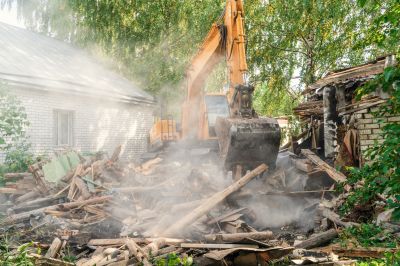 Demolition services in Red Oak, TX, require a diverse array of tools and equipment to ensure projects are completed efficiently and safely. From small-scale interior tear-outs to large structural demolitions, having the right products is essential for achieving desired outcomes. The selection of demolition tools depends on the scope of work, material types, and site conditions, making it important to choose versatile and reliable equipment.
Top Overall Option
Heavy Duty Hydraulic Demolition Hammer
A hydraulic demolition hammer offers versatile power for breaking through concrete, masonry, and other tough materials. Its robust construction and adjustable settings make it suitable for various demolition tasks, providing reliable performance on different project scales. This tool is designed to be compatible with standard excavators, making it a valuable addition to any demolition fleet.
Types of Products For Demolition Service
Hydraulic Breakers
Used with excavators for breaking concrete and rock, hydraulic breakers are essential for heavy-duty demolition projects.
Sledgehammers
Manual tools ideal for breaking smaller structures, chipping away masonry, or demolition in tight spaces.
Reciprocating Saws
Power saws designed to cut through wood, metal, and drywall, useful for detailed demolition work.
Pry Bars and Crowbars
Leverage tools that assist in prying apart structures and removing nails or fixtures.
Rotary Hammers
Power tools that combine drilling and chipping capabilities, effective for breaking up concrete and masonry.
Demolition Saw Blades
Specialized blades for cutting through concrete, brick, and stone materials.
Dust Suppression Systems
Equipment that minimizes airborne debris during cutting and breaking activities.
Waste Management Bins
Containers designed for sorting and transporting debris efficiently on-site.
Scaffolding and Support Structures
Temporary frameworks that provide safe access and support during demolition.
Safety Gear
Protective equipment including helmets, gloves, goggles, and respirators to ensure worker safety.
Concrete Crushers
Machines that crush large concrete pieces into manageable sizes for disposal or reuse.
Hydraulic Shears
Attachments for demolishing and cutting through steel structures and reinforcement bars.
Vibratory Plate Compactors
Tools used for stabilizing and compacting debris or soil after demolition.
Air Compressors
Power sources for pneumatic tools used in various demolition tasks.
Wire and Cable Cutters
Tools for safely cutting through electrical wiring and cables during demolition.
Lifting and Rigging Equipment
Gear for safely lifting and moving heavy debris or structural components.
Popular Choices
Handheld tools favored for their portability and ease of use in interior demolition projects.
Widely used for cutting through concrete slabs and walls with precision.
Commonly selected for prying apart structures and removing fixtures.
Popular for maintaining a cleaner work environment during cutting and breaking activities.
Versatile attachments for excavators used in various demolition scenarios.
Essential for protecting workers from falling debris and head injuries.
Preferred footwear for safety and durability on demolition sites.
Tools designed to efficiently remove nails and fasteners from materials.
Reliable power sources for operating tools in remote or outdoor demolition sites.
Commonly worn to ensure visibility and safety in active work zones.
Popular for quick debris collection and transportation.
Frequently used for drilling into masonry and concrete during demolition.
Versatile for prying and dismantling various structures.
Important for illuminating work areas during low-light conditions.
Useful for safely removing electrical wiring during demolition.
Critical for safely lifting heavy structural components.
Used post-demolition for compacting soil or debris.
Heavy machinery such as excavators equipped with hydraulic breakers and demolition shears are commonly used for structural demolitions involving concrete and steel. Hand tools like sledgehammers, pry bars, and chisels are indispensable for more detailed or delicate work. Power tools including rotary hammers and reciprocating saws facilitate cuts through tough materials, while safety gear such as helmets, gloves, and eye protection are crucial for worker safety.
Proper planning and equipment selection can significantly impact project timelines and safety protocols. For instance, dust suppression systems help control airborne debris, and waste management tools assist in sorting and disposing of debris efficiently. Whether working on residential, commercial, or industrial sites, understanding the range of available products ensures that demolition tasks are carried out effectively while maintaining safety standards.
In Red Oak, TX, the variety of demolition products available caters to different project sizes and complexities. Investing in quality equipment can aid in minimizing project delays and optimizing resource use. It is always advisable to assess the specific needs of each project and choose products that align with the scope, material types, and safety requirements involved.
Key Buying Considerations
- Scope of demolition project to determine the appropriate size and power of equipment.
- Material types involved, such as concrete, steel, or wood, to select compatible tools.
- Site safety requirements, including protective gear and dust control measures.
- Portability and ease of transportation of equipment on-site.
- Compatibility of attachments and accessories with existing machinery.
- Power source preferences, whether electric, pneumatic, or hydraulic.
- Budget constraints and cost-effectiveness of equipment options.
- Availability of maintenance and support services in the Red Oak, TX area.
- Environmental considerations, such as dust and debris management.
- Operator skill level and training requirements for safe and effective use.
- Project timeline to ensure equipment availability when needed.
- Storage space for equipment and debris management solutions.
- Regulatory compliance with local safety and construction codes.
- Durability and build quality for long-term use and reliability.
- Versatility of tools to handle multiple tasks within the demolition scope.